






Creating a home workspace that encourages both focus and creativity is essential for anyone looking to maintain productivity outside the traditional office environment. Whether you’re working remotely full-time or occasionally need a spot to concentrate, your workspace can greatly influence your efficiency and mindset. This guide offers practical tips to help you set up a productive home office that supports your goals and wellbeing.
Why a Well-Designed Workspace Matters
Before diving into how to optimise your home workspace, it’s helpful to understand why it matters. A cluttered or poorly arranged area can lead to distractions, physical discomfort, and even stress. Conversely, an organised, comfortable, and inspiring environment promotes concentration, reduces fatigue, and sparks creative thinking.
Choose the Right Location
Consider Natural Light
Opt for a spot with plenty of natural light if possible. Sunlight helps regulate your body clock, improves mood, and reduces eye strain. Position your desk near a window, but be mindful of glare on screens; adjustable blinds can help.
Find a Quiet Area
Select a space separate from high-traffic areas to minimise noise and interruptions. If you share your home, discuss boundaries with others during work hours to respect your need for focus.
Invest in Comfortable and Functional Furniture
Your chair and desk form the foundation of your workspace comfort, so prioritise ergonomics.
– Chair: Choose one with good lumbar support, adjustable height, and comfortable padding.
– Desk: Ensure it’s large enough for your computer, documents, and tools without feeling cramped.
– Positioning: Keep your screen at eye level and about an arm’s length away to avoid neck and eye strain.
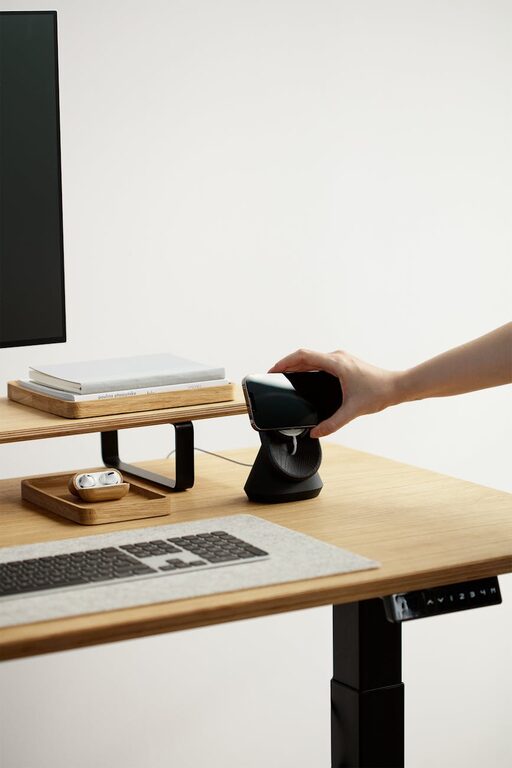
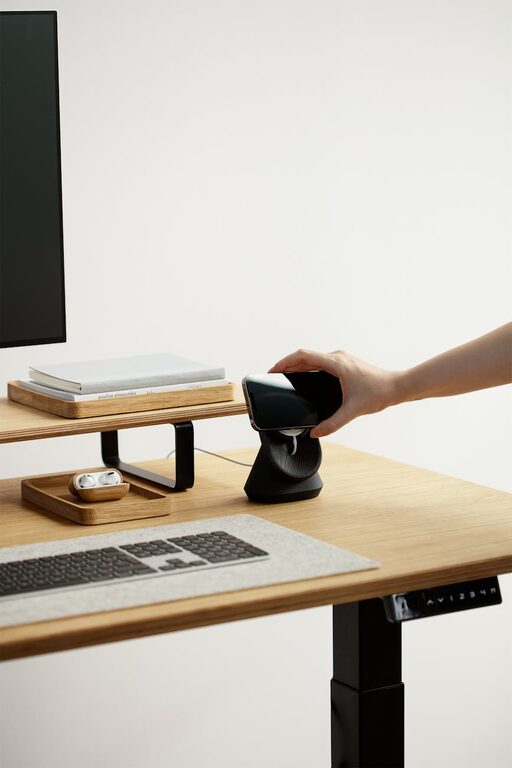
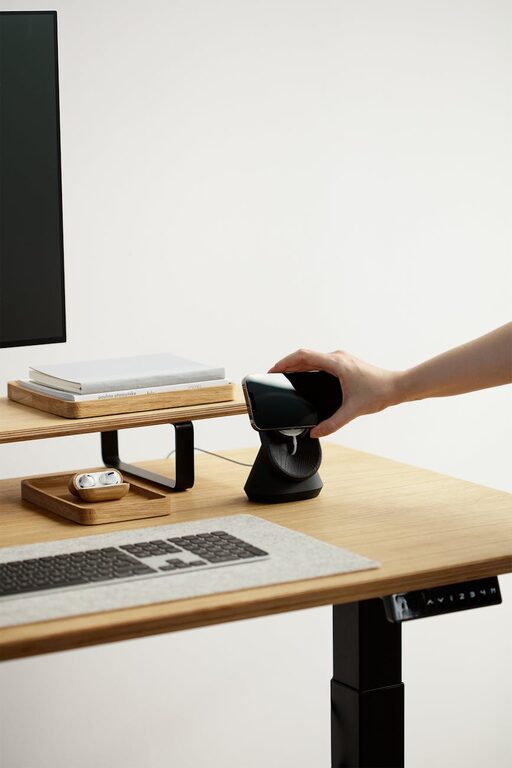
Standing desks or adjustable setups can help vary posture, which is beneficial for long work sessions.
Organise Your Space for Efficiency
Declutter Regularly
Clear your desk of unnecessary items to reduce distractions. A tidy space helps your mind stay calm and focused.
Use Storage Solutions
Keep supplies, files, and paperwork organised with shelves, drawers, or organisers. Label containers for easy access.
Manage Cables
Tidy cables with clips, sleeves, or under-desk trays to prevent your workspace from looking chaotic.
Personalise to Inspire Creativity
Add Plants
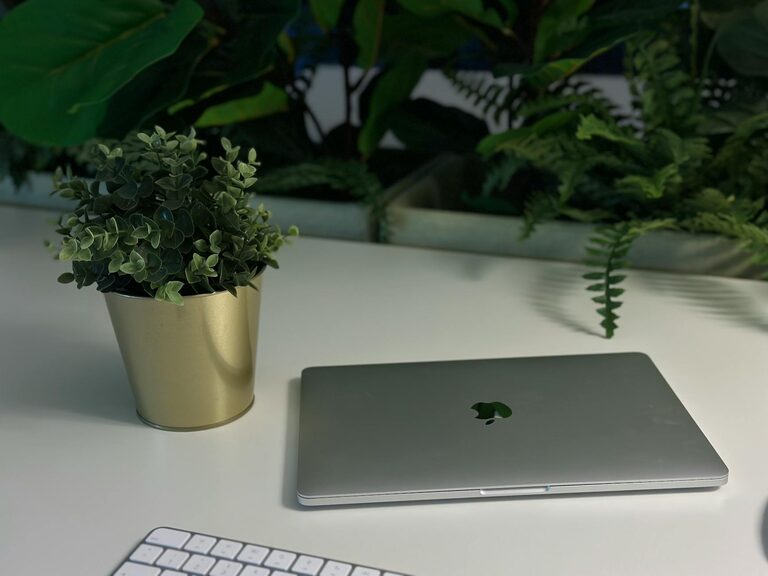
Indoor plants not only improve air quality but also add natural beauty that can calm the mind and stimulate creativity.
Include Personal Touches
Photographs, artwork, or meaningful objects can make the space welcoming but ensure they don’t cause clutter.
Use Colour Thoughtfully
Soft, neutral tones tend to create a relaxing backdrop, while accents of vibrant colours such as blue or green can inspire creativity and focus.
Optimise Technology and Tools
Reliable Internet and Equipment
Ensure your internet connection is stable and your devices are functioning well to prevent frustration.
Use Headphones
Noise-cancelling headphones can help block distractions and improve concentration, especially in shared homes or noisy environments.
Utilise Digital Tools
Use productivity apps or timers to manage tasks, breaks, and deadlines effectively.
Maintain Good Habits
Set Boundaries
Define your working hours and stick to them. Create a routine to signal the start and end of your workday.
Take Breaks
Regular breaks refresh your mind. Try the Pomodoro technique—25 minutes focused work followed by a 5-minute break.
Keep Hydrated and Move
Drink plenty of water and stretch or move around during breaks to avoid stiffness and boost circulation.
Conclusion
Designing a productive home workspace requires thoughtfulness about your environment, comfort, organisation, and daily habits. By dedicating time to create a space that suits your working style, you can improve your focus and unlock your creativity. Remember, your workspace should support both your productivity and wellbeing—select elements that make you feel motivated and at ease.
With these tips, you can create a home office that turns your workday into an energising and fulfilling experience.