






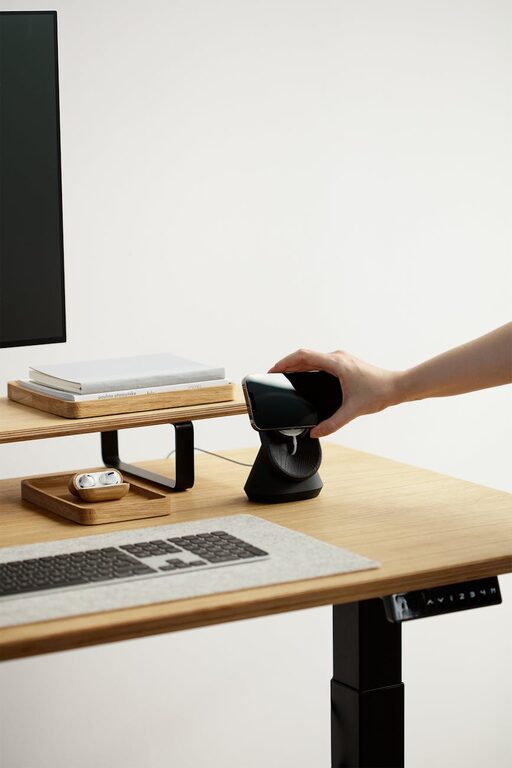
Creating a minimalist and organised home workspace can transform the way you work and boost your focus and productivity. In today’s world, many of us spend hours at home working remotely or studying, which makes having a clean, clutter-free environment essential. A well-arranged workspace not only looks good but also helps reduce distractions and keeps your mind clear.
In this post, we will explore practical steps and ideas to help you design a minimalist and organised home office that suits your needs.
Why Choose a Minimalist Workspace?
Minimalism is about keeping only what is essential and removing unnecessary items. When applied to your home workspace, it means having just the tools and furniture you need — no more, no less.
Benefits of a minimalist workspace include:
– Increased focus by eliminating visual distractions
– Easier to clean and maintain
– Creates a calming environment
– Saves space, ideal for smaller rooms or flats
– Encourages better organisation habits
Step 1: Choose the Right Location
Your workspace location has a big impact on productivity and comfort. Try to find a spot with the following features:
– Natural light: Sitting near a window helps reduce eye strain and improves mood.
– Quiet area: Avoid high traffic zones that might interrupt your workflow.
– Good ventilation: Fresh air keeps you alert and comfortable.
– Sufficient space: Ensure your desk and storage fit comfortably with room to move.
If space is limited, consider multifunctional areas or foldaway desks that can be tidied away when not in use.
Step 2: Select Essential Furniture
Keep your furniture selection simple and functional. Here are some ideas:
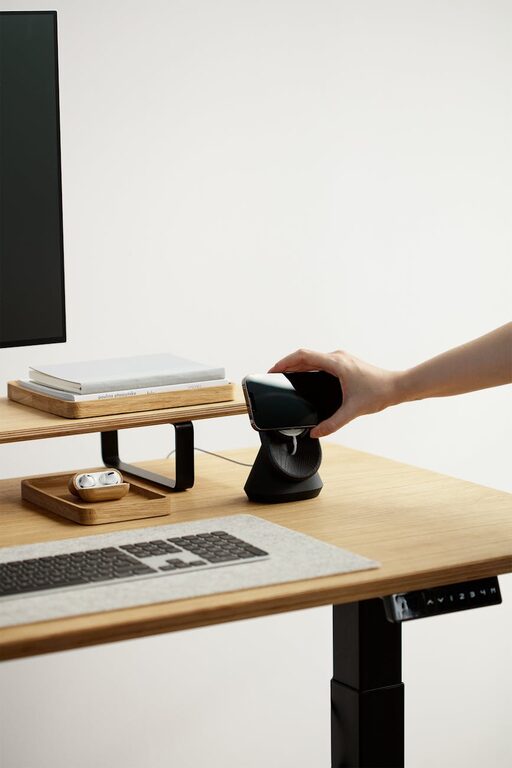
– Desk: Choose one with enough surface area for your computer and any paperwork. Minimalist desks with built-in cable management help reduce clutter.
– Chair: Invest in a comfortable ergonomic chair that supports good posture.
– Storage: Use minimal storage solutions like small shelves, drawers, or filing trays. Consider vertical storage to save floor space.
Avoid bulky or unnecessary items that can crowd the room.
Step 3: Organise Cables and Electronics
Cables are a common source of mess in home offices. To keep them neat:
– Use cable organisers, clips, or sleeves to bundle cords together.
– Position your desk near power outlets to avoid long cables trailing across the floor.
– Label cables if you have multiple devices.
– Dust your electronics regularly to maintain a clean look.
Wireless devices like keyboards and mice can also reduce cable clutter.
Step 4: Adopt Clear Storage Solutions
Having a clear place for everything helps prevent clutter from accumulating. Tips include:
– Declutter regularly: Every week, remove items you don’t need.
– Use trays and boxes: Group similar items like stationery or chargers inside labelled containers.
– Limit decorations: Choose a few meaningful or inspiring objects to personalise your space without overdoing it.
– File papers digitally: Scan documents and keep digital folders instead of piles of paper.
Step 5: Keep Surfaces Clean and Minimal
Clear desk surfaces contribute to a minimalist vibe. Here’s how to maintain them:
– Only keep items you use daily on your desk.
– Store other things in drawers or shelves.
– Wipe down surfaces at the end of each day to keep dust and crumbs away.
– Use desk organisers to keep pens, notebooks, and accessories neatly arranged.
Step 6: Incorporate a Calm Colour Palette
Colours impact mood and focus. For a minimalist workspace, consider:
– Neutral tones like whites, creams, light greys, or soft pastels.
– Avoid overly bright or busy patterns that draw attention away.
– Add texture instead of colour through materials like wood, metal, or fabric.
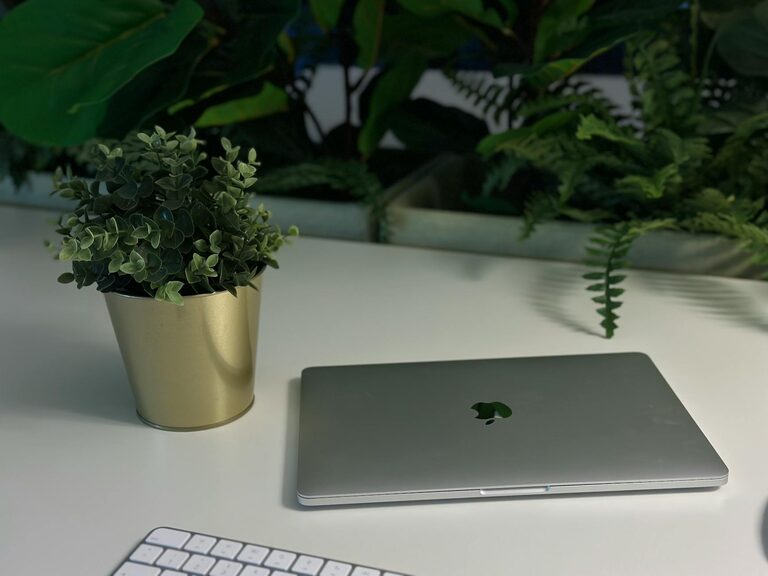
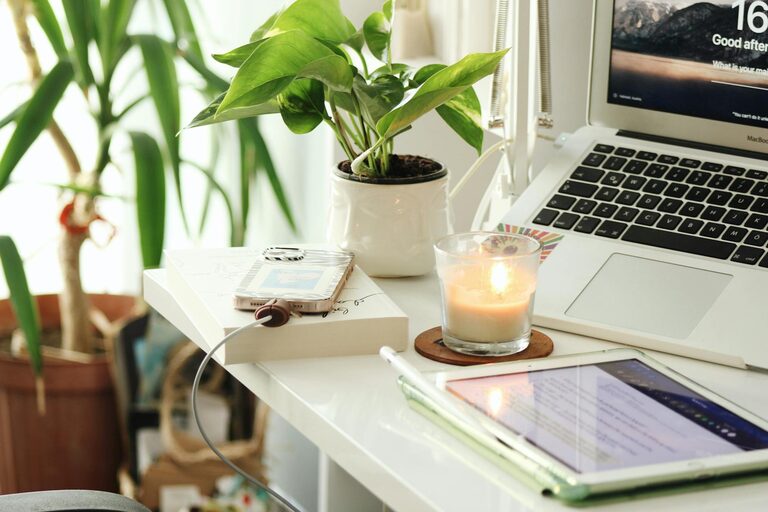
– Add small green plants for a touch of nature and freshness.
Step 7: Personalise Mindfully
While minimalism is about simplicity, your workspace should still feel welcoming and inspiring. To strike a balance:
– Choose one or two personal items such as a favourite photo or a piece of art.
– Use functional decor like a stylish clock or a neat calendar.
– Keep personal touches subtle to maintain the organised look.
Step 8: Establish Organisational Habits
The best minimalist workspace needs good habits to stay that way. Consider:
– Spending a few minutes each day tidying your desk.
– Sorting email and digital files regularly.
– Setting boundaries around work to avoid workspace overlap with relaxation spaces.
– Reviewing your setup periodically and removing anything unnecessary.
—
Final Thoughts
Creating a minimalist and organised home workspace takes time and attention, but it pays off with better productivity and a more pleasant work environment. Focus on essential items, smart storage, and keeping surfaces clear. With these tips, you can design a space that helps you concentrate and enjoy your work day.
Remember, the goal isn’t perfection but creating a workspace that supports your needs while staying simple and clutter-free. Happy organising!