






Creating a workspace at home that is both relaxing and productive can significantly enhance your daily routine. Whether you work remotely full-time or use your home office occasionally, the environment around you plays a vital role in how efficiently and comfortably you work. Here, we share simple, practical tips to help you set up a home workspace that keeps distractions at bay, supports your well-being, and encourages your best work.
Choose the Right Location
Finding the ideal spot in your home to set up your workspace is the first step. Consider these factors:
– Natural Light: Whenever possible, position your desk near a window. Natural light helps reduce eye strain and improves your mood.
– Quiet Environment: Select a space away from household noise, such as the living room or kitchen, to maintain focus.
– Space Size: Ensure you have enough room to comfortably accommodate your desk, chair, and any equipment or supplies.
– Ventilation: Good airflow keeps the space fresh and can boost concentration.
If space is limited, a corner of a room with a compact desk and noise-cancelling headphones can work just as well.
Invest in Comfortable Furniture
Comfort is crucial for maintaining productivity and preventing physical discomfort. Keep these tips in mind:
– Ergonomic Chair: Choose a chair that supports your lower back and promotes good posture. Adjustable height and armrests improve tailorability.
– Suitable Desk Height: Your desk should allow your arms to rest comfortably at a 90-degree angle while typing.
– Foot Support: If your feet don’t rest flat on the floor, consider a footrest to reduce strain.
An uncomfortable setup can lead to distractions, soreness, or fatigue, which lowers productivity.
Keep Your Workspace Organised
An organised workspace helps clear your mind and improves workflow. Here’s how to keep clutter to a minimum:
– Daily Tidy-Up: Spend a few minutes at the end of each day putting things away.
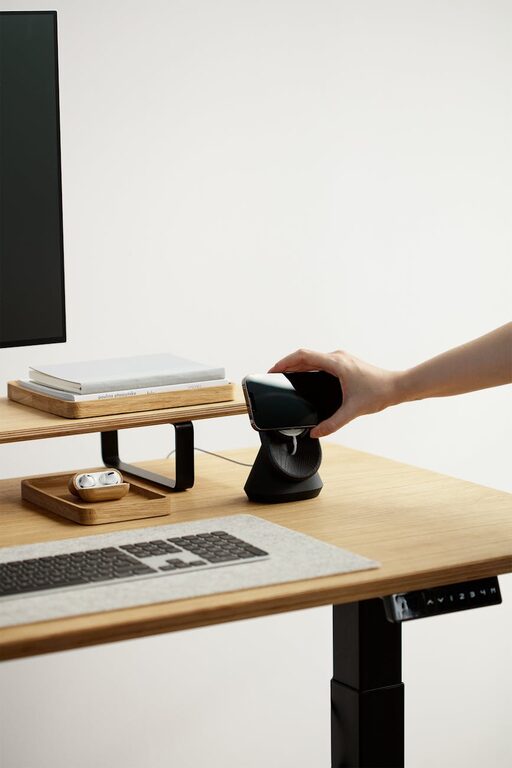
– Storage Solutions: Use shelves, drawers, or organisers to keep papers and supplies orderly.
– Cable Management: Use clips or ties to prevent wires from tangling and creating a mess.
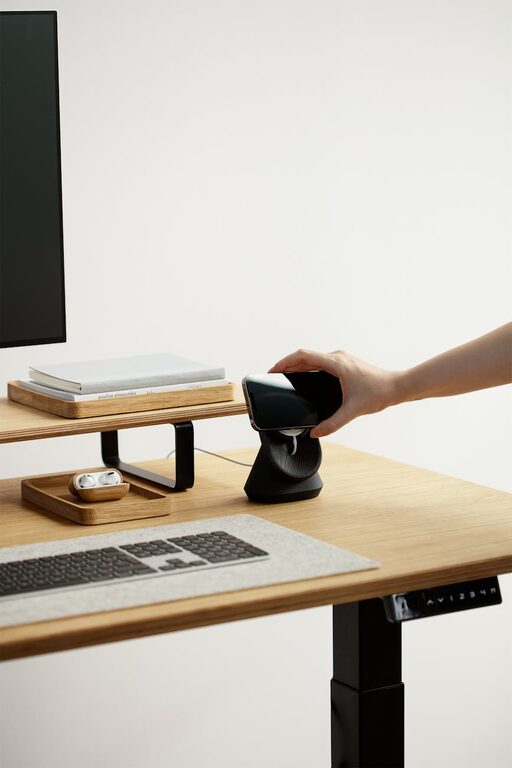
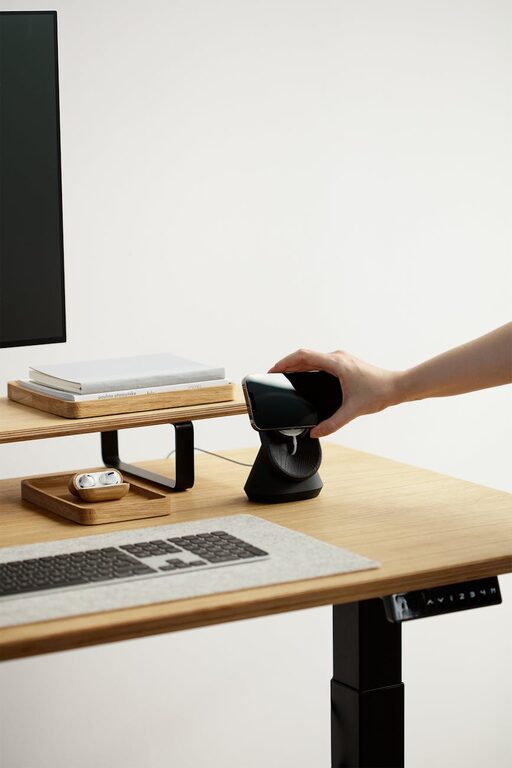
– Minimalist Approach: Keep only what you need on your desk to reduce visual distractions.
A neat desk encourages focus and makes it easier to find what you need when you need it.
Add Calming Elements
Incorporating relaxing features into your workspace helps reduce stress and maintain calm throughout your workday:
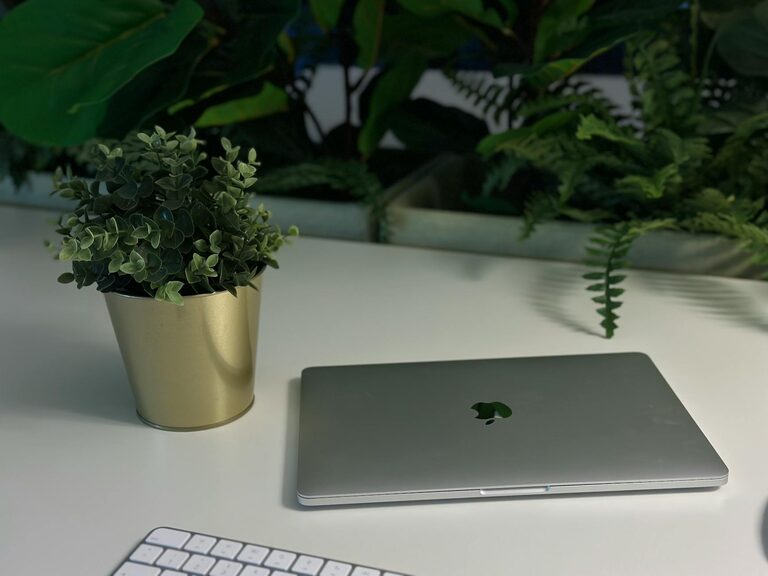
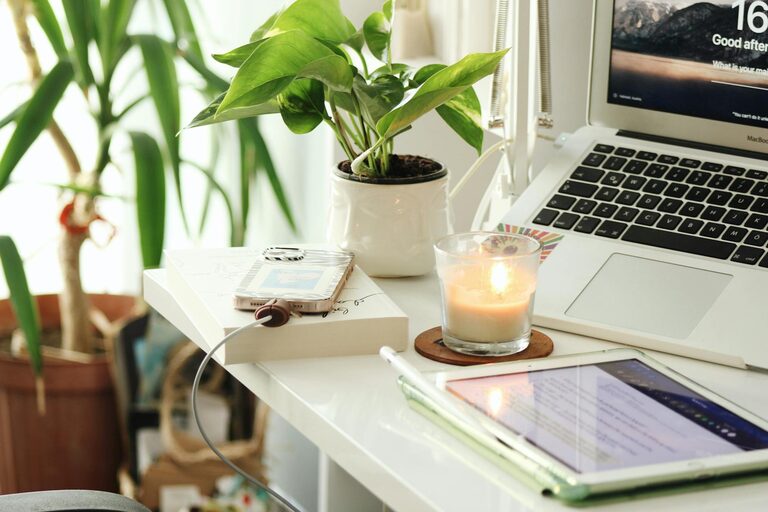
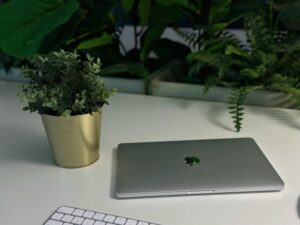
– Plants: Indoor plants improve air quality and add a touch of nature to your environment, which can be soothing.
– Soft Lighting: Consider desk lamps with adjustable brightness or warm light bulbs to create a cosy atmosphere.
– Personal Touches: Include items that make you happy or relaxed, like artwork or photos, but avoid overcrowding.
– Aromatherapy: If you like scents, a subtle essential oil diffuser can help create a peaceful mood.
Small personal additions can make your workspace more inviting and less clinical.
Organise Your Digital Workspace
Digital clutter can be just as distracting as a physical mess. Try these tips:
– Declutter Your Desktop: Remove unused files and organise folders logically.
– Use Productivity Tools: Apps like calendars, to-do lists, and timers can keep tasks manageable.
– Limit Notifications: Turn off non-essential alerts to reduce interruptions.
– Backup Regularly: Ensure your files are safely backed up to avoid losing important work.
Maintaining a tidy digital workspace complements your physical setup and streamlines your work process.
Establish Consistent Routines
Setting routines helps signal the start and end of work, maintaining a healthy balance:
– Regular Breaks: Follow techniques such as the Pomodoro method—25 minutes of work followed by a 5-minute break.
– Start-Up Ritual: Begin your day with a task such as reviewing your to-do list or a brief stretch to prepare mentally.
– End-of-Day Closure: Create a routine to shut down your workspace, like tidying your desk or planning for tomorrow.
Routines help reduce work-related stress and maintain productivity over time.
Minimise Distractions
Limiting distractions in your workspace can improve focus:
– Limit Social Media: Use apps that block distracting websites during work hours.
– Clear Boundaries: Communicate with family or housemates about your working hours.
– Noise Control: Use noise-cancelling headphones or white noise machines if needed.
– Single-Tasking: Focus on one task at a time to increase efficiency.
Creating a focussed environment helps you get more done with less stress.
Prioritise Health and Wellbeing
Taking care of your physical and mental health is essential in any workspace:
– Stay Hydrated: Keep a water bottle handy to encourage regular drinking.
– Move Regularly: Stand, stretch, or walk briefly every hour to prevent stiffness.
– Maintain Good Posture: Check your posture periodically to avoid aches.
– Mindfulness Practices: Short breathing exercises or meditation can help reduce stress.
A healthy body and mind support sustained productivity and comfort.
—
By following these simple tips, you can transform your home workspace into a place that fosters both relaxation and productivity. Remember, creating the perfect environment is a personal journey, so feel free to adjust these suggestions to suit your preferences and needs. With the right setup, working from home can be both enjoyable and efficient.